Source vintage appliqued organza wedding dress for brides, designers, and events
Explore 30 listings of vintage appliqued organza wedding dress options featuring styles like A-Line and Ball Gown with embellishments such as beading and lace. Buyers can compare specifications including sleeve styles, train lengths, and fabric compositions to find suitable suppliers.
Key considerations
Products List






Comprehensive Sourcing Guide
Strategic Sourcing Guide for Vintage Appliqued Organza Wedding Dresses
The procurement of vintage appliqued organza wedding dresses requires a nuanced understanding of material properties, construction techniques, and supply chain dynamics. Unlike standard ready-to-wear apparel, wedding attire demands a higher degree of customization, precision in embellishment, and adherence to specific aesthetic standards. Buyers entering this market must navigate a landscape where "vintage" often refers to a specific silhouette or detailing style rather than an actual age of the garment, as modern manufacturing techniques are used to recreate historical aesthetics. This guide outlines the critical factors for sourcing these garments, focusing on the intersection of organza fabric characteristics, appliqué application, and the specific attributes observed in current market listings.
Material Composition and Fabric Specifications
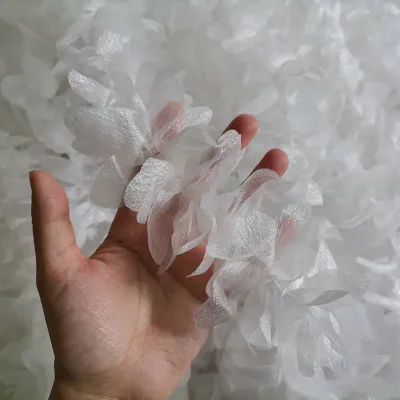
The foundation of any high-quality wedding dress lies in the fabric. In the context of vintage-inspired organza gowns, the material selection is paramount. Market observations indicate a divergence in material composition, with listings specifying both "Organza" as a general category and specific fiber contents such as "100% Polyester" or "100% Silk." This distinction is critical for procurement decisions. Polyester organza offers durability, cost-effectiveness, and a crisp hold that is ideal for structured silhouettes like ball gowns and A-line styles. Conversely, silk organza provides a superior handfeel, described as "soft and elastic," and a more luxurious drape, though it may command a higher price point and require more delicate handling.
When sourcing, buyers must verify the fabric width and density. Specific product data highlights a fabric width of 138cm and a density of 45*35, which are essential metrics for calculating fabric consumption and ensuring pattern alignment. The "Organza Satin" pattern observed in some listings suggests a hybrid finish that combines the transparency of organza with the sheen of satin, a feature often utilized to create a vintage glow. Buyers should also inquire about color fastness, with some suppliers citing a 3-4 Grade rating, which indicates moderate resistance to fading. For a vintage aesthetic, the color palette often leans towards "Ivory" or "Pink," but the ability to customize color is a standard offering, allowing for bespoke matching to specific wedding themes.
Design Silhouettes and Structural Elements
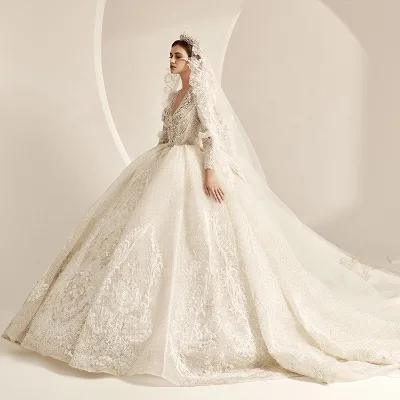
The "vintage" designation in modern wedding dress sourcing typically manifests through specific silhouette choices and structural details. The observed market data reveals a strong preference for "A-Line" and "Ball Gown" styles, both of which are historically associated with vintage elegance. The A-line style offers a flattering, universal fit, while the Ball Gown provides the dramatic volume often desired for formal occasions. These silhouettes are frequently constructed with a "Multilayer" design, which adds body and texture to the dress.
Structural elements are equally important in defining the vintage character. The waistline is predominantly observed as "Natural," a classic choice that emphasizes the figure without the rigidity of a corseted high waist. Sleeve styles vary significantly, with "Cap Sleeve," "Off-Shoulder," "Sleeveless," and "Long Sleeve" options available. The choice of sleeve often dictates the formality and seasonality of the dress; for instance, off-shoulder styles are popular for spring and autumn weddings, aligning with the seasonal attributes noted in product listings.
The back design is a critical area for vintage detailing. Listings show a mix of "Zipper and Button," "Lace up," "Zipper," and "Hollowing Back" configurations. A lace-up back is particularly indicative of vintage styles, offering a customizable fit and a romantic aesthetic. Similarly, the train length varies from "Without Train" to "Chapel Train" and "Long Train," allowing buyers to select the appropriate level of drama for their event. The presence of a "Built-in Bra" is a common feature, providing necessary support for the heavy embellishments and layered fabrics typical of these gowns.
Embellishment Techniques and Decorative Details
The term "appliqued" in the core keyword points to the primary decorative method used on these dresses. While the general category is "Beading," specific observations highlight "Lace" as a distinct embellishment type. Vintage-style organza dresses often feature intricate lace appliqués sewn onto the organza base to create depth and texture. This layering technique enhances the "Elegant" and "Sexy" descriptions often associated with these garments. The combination of organza's transparency with opaque or semi-opaque lace creates a sophisticated visual effect.
Buyers must understand that embellishment is not merely cosmetic; it impacts the weight and structure of the dress. Heavy beading and lace application can add significant weight, requiring a robust internal structure, often supported by the "Multilayer" design mentioned earlier. The "Customization" attribute is available across the board, meaning that buyers can request specific placement of appliqué, beading, or lace to achieve a unique vintage look. However, the complexity of these designs directly influences the production timeline and cost.
Cost Drivers and Pricing Dynamics
The pricing for vintage appliqued organza wedding dresses exhibits a wide range, observed from $0.53 to $1388. This variance is driven by several key factors. First, the material composition plays a significant role; dresses made from 100% silk will inherently cost more than those made from 100% polyester. Second, the complexity of the embellishment is a major cost driver. Dresses with extensive beading, lace appliqués, and multilayer construction require more labor hours and skilled craftsmanship, pushing the price toward the higher end of the spectrum.
The Minimum Order Quantity (MOQ) is another critical cost factor, ranging from 1 to 1000 units. Buyers seeking a single sample or a small batch for a boutique may face higher per-unit costs but benefit from lower upfront capital requirements. Conversely, bulk orders can leverage economies of scale, reducing the per-unit price. The "Supply Type" is listed as "OEM Design," indicating that suppliers are capable of producing custom designs for brands, which may involve additional tooling or pattern-making fees. Buyers should also consider the "Product Packing" standards, which typically involve OPP bags and cartons, ensuring the delicate organza and embellishments are protected during transit.
Supplier Evaluation and Production Capabilities
When evaluating potential suppliers for vintage appliqued organza wedding dresses, buyers should focus on the supplier's ability to handle customization and maintain quality consistency. The "prod_origin" of Suzhou is a notable observation, as this region is a known hub for textile manufacturing and garment production in China. Suppliers in this area often have established supply chains for fabrics like organza and silk, as well as the skilled labor required for intricate appliqué work.
Key evaluation criteria include the supplier's experience with "OEM Design" and their capacity to handle "Customized Color" requests. Buyers should verify the supplier's standard of production, noting that "customized" is listed as a standard, which implies flexibility but requires clear communication of specifications. The "Feature" of "Sustainable" is also mentioned in some listings, suggesting that some suppliers may offer eco-friendly production methods or materials, which can be a differentiator in the modern market. However, buyers must verify these claims through direct inquiry rather than assuming they apply to all products in the category.
Quality Control and Compliance Verification
Quality control is paramount when sourcing wedding dresses, as the margin for error is minimal. Buyers must implement a rigorous inspection process that covers fabric integrity, embellishment security, and structural soundness. Specific attention should be paid to the "Color Fastness," which should meet the 3-4 Grade standard or higher to ensure the dress retains its color during handling and potential exposure to light. The "Handfeel" of the fabric, described as "soft and elastic," should be verified against physical samples to ensure the fabric meets the tactile expectations of the brand.
Compliance and certification checks are also essential, though specific certification status varies by supplier. Buyers should request documentation regarding the "Standard" of production, which is listed as "customized," meaning that compliance with international safety and quality standards must be explicitly negotiated. For fabric used in bedding, wedding, and dress applications, verifying the "Composition" is crucial to ensure there are no undisclosed blends that could affect the garment's performance or care requirements. The "Thickness" of the fabric, noted as "Lightweight," should be confirmed to ensure it is suitable for the intended season and style without compromising durability.
Long-Term Procurement and Market Considerations
Long-term procurement of vintage appliqued organza wedding dresses requires a strategic approach to inventory and relationship management. Given the "Season" attribute of Spring/Autumn, buyers should plan their ordering cycles to align with these peak wedding seasons, ensuring timely delivery to avoid stockouts during high-demand periods. The "Usage" of these dresses extends beyond weddings to evening events, suggesting a potential for cross-selling or diversifying the product line.
Buyers should also consider the "Product Name" and "Product Model" consistency. With models like GLKJ59, GLK11, and GLKJ61 observed, maintaining a stable catalog of styles can help build brand recognition. However, the "Customization" capability allows for adaptation to changing trends. As the market evolves, buyers should remain flexible, ready to adjust their specifications regarding sleeve style, train length, or embellishment type to meet shifting consumer preferences. Establishing a strong relationship with suppliers who can offer "OEM Design" services will be crucial for maintaining a competitive edge and ensuring that the unique vintage aesthetic is preserved across different production runs.
FAQs
What customization options are available for vintage appliqued organza wedding dresses?
Customization is available for these dresses, allowing buyers to request specific designs. Suppliers offer OEM design services with options for customized colors and specific embellishment placements to match unique wedding themes.
Which sleeve styles are offered for spring and autumn vintage organza gowns?
Multiple sleeve styles are available, including cap sleeve, off-shoulder, sleeveless, and long sleeve options. These styles are suitable for spring and autumn seasons and allow buyers to select the appropriate level of formality.
Can buyers find vintage organza dresses with built-in bras and specific waistlines?
Yes, many listings feature built-in bras and natural waistlines for structural support and classic fit. These elements are common in A-line and ball gown styles to ensure comfort and proper silhouette definition.
What fabric compositions are used for vintage appliqued organza wedding dresses?
Fabric compositions vary between 100% polyester and 100% silk, offering different handfeels and price points. Polyester provides durability and a crisp hold, while silk offers a soft, elastic texture with a luxurious drape.
How does the train length vary across different vintage organza dress models?
Train lengths range from without train to chapel train and long train options. Buyers can select the desired level of drama, with specific models offering chapel trains or long trains for formal occasions.
What are the typical packaging standards for shipping vintage organza wedding dresses?
Products are typically packed in OPP bags and cartons to protect delicate fabrics and embellishments. This standard packing ensures the dresses remain safe during transit while maintaining their pristine condition for the buyer.